
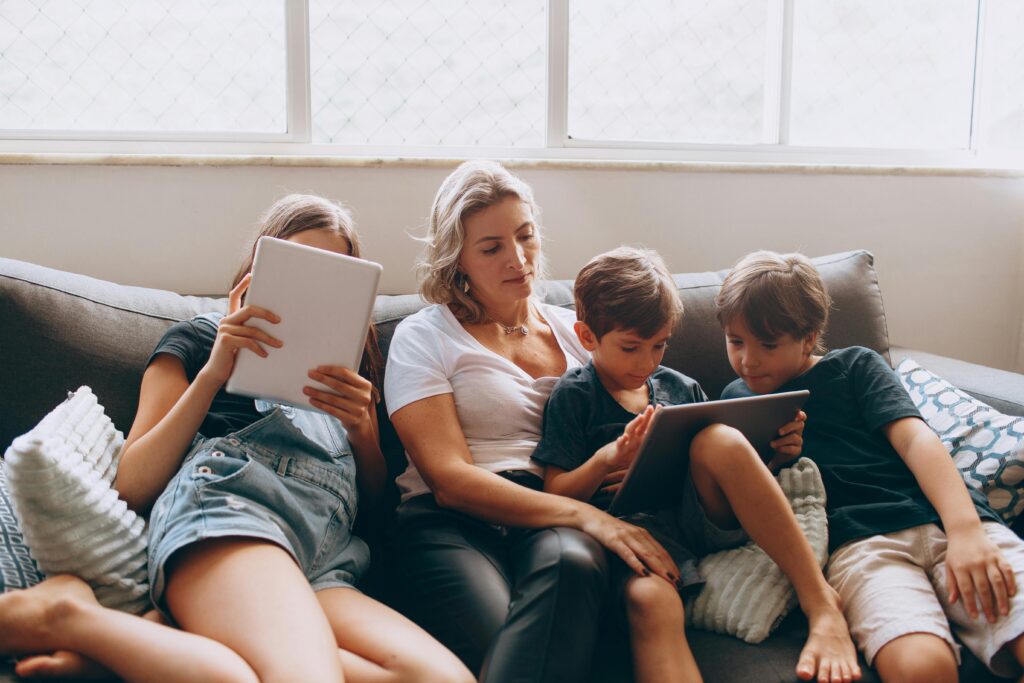
In today’s digital era, screens are an unavoidable part of everyday life. Children are exposed to smartphones, tablets, televisions, and computers from a young age, making screen time management a crucial aspect of childcare. While technology offers educational content and entertainment, too much screen exposure can negatively affect a child’s cognitive development, social skills, and overall health.
Experienced babysitters and nannies know that balancing screen time with other daily activities is key. Whether you’re a busy parent relying on a Filipino housekeeper UK, Filipino housekeeper London, or Filipino housekeeper Surrey, professional childcare support ensures that your child’s routine is structured and healthy, even with the increasing presence of screens.
1. Establish Clear Daily Limits
Setting clear screen time limits is essential. The American Academy of Pediatrics recommends:
- Children under 2 years: Avoid screen time except for video calls.
- Ages 2–5: Limit to 1 hour per day of high-quality educational content.
- Ages 6 and above: Encourage healthy screen habits alongside physical activity, homework, and family interactions.
Babysitters can enforce these rules consistently, helping children develop discipline and preventing excessive screen exposure.
2. Prioritize Educational and Interactive Content
Not all screen time is created equal. Choosing educational apps, videos, and games can make screen use beneficial rather than harmful. Interactive content that teaches letters, numbers, languages, or problem-solving skills contributes to a child’s cognitive development.
A Filipino housekeeper London often incorporates learning activities alongside carefully monitored screen time, ensuring that children gain both educational and recreational value.
3. Create Screen-Free Zones
Designate areas in your home where screens are not allowed, such as the dining room, bedrooms, or study areas. Screen-free zones encourage family interaction, conversation, and better sleep habits. Babysitters can support these boundaries, ensuring children understand and respect the rules consistently.
4. Encourage Physical Activity
Screen time should not replace outdoor play or physical exercise. Activities like walks, dancing, or simple backyard games promote physical development, improve mood, and reduce sedentary habits. By structuring daily routines to include active play, professionals like a Filipino housekeeper Surrey help children maintain a balanced lifestyle while keeping screens in moderation.
5. Lead by Example
Children model adult behavior. Parents and caregivers who use screens responsibly demonstrate healthy habits. Babysitters reinforce these examples by encouraging non-screen activities such as reading, art, or imaginative play, helping children develop creativity and social skills beyond digital devices.
6. Monitor Content and Usage
Beyond timing, it’s vital to monitor what children are watching or playing. Supervising content ensures it’s age-appropriate and avoids exposure to violent or inappropriate material. Experienced childcare professionals maintain vigilance while still allowing children to explore engaging, safe, and educational digital experiences.
Final Thoughts
Screen time doesn’t have to be a source of stress for families. It can be a tool for learning and entertainment when carefully managed. With structured routines, supervision, and professional support from a Filipino housekeeper UK, Filipino housekeeper London, or Filipino housekeeper Surrey, parents can ensure children enjoy technology responsibly without compromising their health, safety, or development.
Investing in reliable childcare creates a balanced home environment where children thrive both online and offline, allowing parents to focus on work or personal responsibilities with peace of mind.
Keep your children’s daily routines balanced and educational with PRIDEPh Domestic Staff. Hire a trusted Filipino housekeeper UK, Filipino housekeeper London, or Filipino housekeeper Surrey to help maintain structure, safety, and learning at home.