
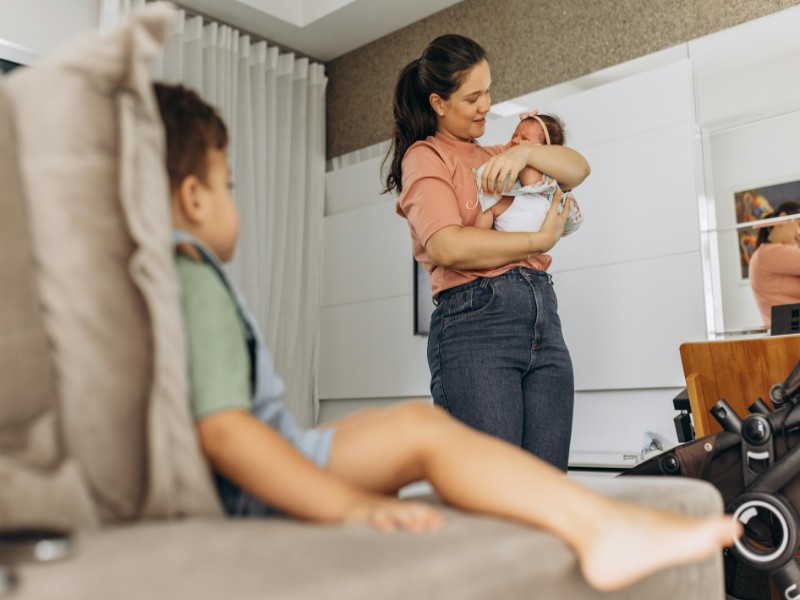
A child’s earliest memories are rarely about expensive toys or perfect routines. More often, they remember the person who waited patiently while they tied their shoelaces, read bedtime stories in a calm voice, or sat beside them after a difficult day at school.
Across the UK, more families are beginning to see childcare through that emotional lens. And quietly, Filipino caregivers are becoming part of a larger shift in how modern households view support, trust, and early childhood development.
What was once seen simply as nanny work is now evolving into something far more respected and far more essential.
Childcare Is Changing Faster Than Many Parents Expected
Over the last few years, parenting conversations online have changed dramatically. Topics like emotional regulation, gentle parenting, childhood anxiety, and developmental learning now dominate parenting forums and social media discussions.
Families no longer want childcare that only covers the basics.
They want caregivers who can help children feel emotionally secure, socially confident, and mentally engaged while parents manage demanding careers and fast-moving schedules.
This changing expectation is one reason many households now value filipino domestic staff UK families rely on not just for practical support, but for the emotional consistency they bring into everyday life.
The role itself is becoming more layered and more meaningful.
Why Filipino Caregivers Connect So Naturally With Families
In many Filipino households, caregiving starts early. Looking after younger siblings, helping elderly relatives, and supporting extended family members are often deeply rooted parts of daily life.
That upbringing tends to create a caregiving style that feels warm, observant, and deeply personal.
Parents across London and Surrey often describe Filipino caregivers as calm under pressure, emotionally aware, and naturally patient with children. These qualities may sound simple, but in busy homes, they make a lasting difference.
Whether working as filipino domestic staff london professionals or supporting households as a filipino housekeeper UK families trust, many Filipino caregivers become emotional anchors within the home.
Children notice that kind of consistency quickly.
Beyond Cleaning and Supervision
The biggest transformation happening today is not about job titles. It is about expectations.
Modern childcare now includes emotional coaching, educational support, routine building, and communication skills. Families increasingly value caregivers who can encourage healthy habits while also nurturing independence and confidence.
A caregiver helping a toddler name emotions during a tantrum is doing developmental work.
A nanny encouraging reading before bed is supporting early literacy.
A housekeeper helping children maintain routines and structure contributes to emotional stability more than many people realise.
That is why many filipino domestic staff surrey families hire are now viewed as part of the wider support system shaping a child’s growth and wellbeing.
The work has quietly become far more professional than people once assumed.
Surrey and London Families Are Prioritising Trust
In places like Surrey and London, where professional life often moves at full speed, families are searching for support they can genuinely rely on.
This has contributed to growing interest in filipino domestic surrey uk searches, along with increasing demand for filipino housekeeper surrey and filipino housekeeper london professionals who can provide both household support and childcare understanding.
Parents are becoming more selective about who enters their homes and spends time with their children. Technical skills matter, but emotional compatibility matters too.
Families want someone who notices when a child seems withdrawn after school.
Someone who can calmly handle stressful mornings.
Someone who creates a peaceful atmosphere even during chaotic schedules.
These qualities cannot always be taught in formal training. Often, they come from experience, empathy, and genuine care.
The Quiet Emotional Labour Behind Childcare
One reason this transformation often goes unnoticed is because emotional labour is difficult to measure.
There is no checklist for comforting a homesick child.
No performance chart for helping siblings resolve conflict calmly.
No quick way to quantify the trust children build with caregivers who consistently show kindness every single day.
Yet these small moments shape childhood in profound ways.
As conversations around emotional wellbeing continue growing online and across British parenting communities, more families are recognising that caregiving is not secondary work. It plays a direct role in how children develop confidence, resilience, and emotional security.
That growing awareness is changing how many people see Filipino caregivers in modern British homes.
A Role That Deserves Greater Recognition
The modern Filipino caregiver is often far more than a nanny or housekeeper. They are organisers, listeners, role models, and trusted companions during some of a child’s most important developmental years.
And families are starting to acknowledge that reality more openly.
For households searching for compassionate and dependable support, Prideph Domestic continues connecting families across London, Surrey, and the UK with experienced Filipino professionals who bring warmth, reliability, and genuine care into the home. Sometimes the people shaping childhood most deeply are the ones working quietly behind the scenes.