
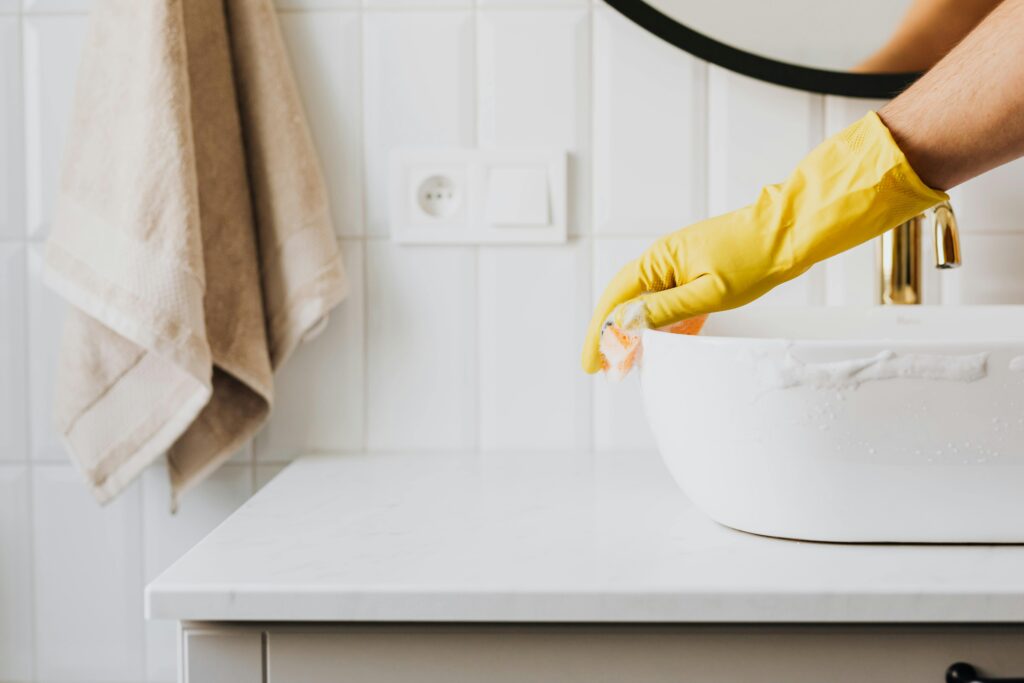
Maintaining a clean home doesn’t have to be expensive or exhausting. Whether you’re doing daily tidying or gearing up for a seasonal deep clean, knowing the difference between cleaning types—and how to use everyday products efficiently—can make a major impact.
Many people invest in high-end cleaning supplies when some of the most powerful tools are already sitting in your kitchen or bathroom cabinet. By learning a few simple hacks using common household products, you can save time, money, and effort while keeping your space spotless and safe.
In this guide, we’ll explore practical, budget-friendly cleaning hacks that actually work (and we often use at PridePH Domestic Staff cleans), using familiar products like baking soda, vinegar, lemon, and more. We’ll also clear up the often-confused concepts of regular cleaning versus deep cleaning, helping you better plan your cleaning routines and know what tasks to prioritize—and when.
Cleaning Hacks Using Common Household Products
You don’t need a cupboard full of commercial cleaners to achieve a sparkling home. Some of the best cleaning agents are natural, inexpensive, and already part of your daily life. These multipurpose products can tackle everything from tough stains to lingering odors—and they’re often safer for kids, pets, and the environment.
1. Baking soda is a workhorse in natural cleaning. It’s mildly abrasive, which makes it excellent for scrubbing away grime on sinks, stovetops, and tile grout. Sprinkle it onto carpets or inside shoes to neutralize odors, or combine it with lemon juice to naturally bleach and deodorize cutting boards and stainless steel appliances.
2. White vinegar is another essential. Its acidity makes it excellent for breaking down grease, killing bacteria, and dissolving hard water deposits. A 50/50 mix of vinegar and water in a spray bottle is a powerful, streak-free glass cleaner. You can even use warmed vinegar to soak faucets and showerheads, making it easier to wipe away mineral buildup.
3. Lemon isn’t just for cooking—it’s also a natural cleaner and deodorizer. Rub half a lemon with coarse salt over copper pots or kitchen sinks to restore shine and freshness. Drop lemon peels into your garbage disposal and run it with hot water to eliminate odors and clean the blades.
4. Hydrogen peroxide (3%) is often overlooked but works incredibly well as a disinfectant. You can use it to sanitize high-touch areas like doorknobs, remotes, and bathroom surfaces. It also removes organic stains—just mix it with a bit of dish soap to treat fabric or carpet stains before washing.
5. Dish soap is more versatile than many realize. It cuts through grease not just on dishes, but on stovetops, cabinet doors, and even greasy laundry stains. Combine it with vinegar for an effective solution to clean bathtubs and soap scum without harsh chemicals.
6. Rubbing alcohol is ideal for cleaning electronics and leaving surfaces streak-free. It’s also handy for removing sticker residue or cleaning whiteboards and glass surfaces that need fast drying.
With just a few of these household staples, you can tackle nearly every room in your home. The key is knowing which product works best for the job—and combining them when needed. These aren’t just “hacks”—they’re tried-and-true techniques that professionals often rely on.
Understanding the Difference Between Deep Cleaning and Regular Cleaning

Cleaning isn’t a one-size-fits-all task. Some jobs require more time, effort, and precision than others. Knowing the difference between regular and deep cleaning can help you manage your time better, create a more hygienic home, and prevent overwhelming buildup of dirt and grime.
Regular cleaning refers to the routine maintenance you do to keep your home looking and feeling fresh on a daily or weekly basis. These tasks are meant to manage the visible mess and reduce germs in commonly used areas. This includes wiping down kitchen counters, vacuuming floors, taking out the trash, cleaning bathroom sinks and mirrors, and changing bed linens. It’s about maintaining order and addressing surface-level messes before they become bigger problems.
On the other hand, deep cleaning involves more intensive efforts, reaching the often-forgotten or difficult-to-access parts of your home. While regular cleaning may involve vacuuming a carpet, deep cleaning means shampooing it. Instead of just wiping the front of your oven, you clean inside it. This kind of cleaning is typically done less frequently—monthly, seasonally, or before special occasions—but it plays a vital role in keeping your home healthy and truly clean.
During a deep clean, you’ll address tasks like scrubbing baseboards, cleaning behind appliances, washing windows inside and out, and sanitizing hidden corners where dirt and bacteria accumulate. It’s also the time to clean light fixtures, ceiling fans, vents, and drains. Deep cleaning often requires more time and elbow grease but offers a noticeable reset to your entire home environment.
By rotating in deep cleaning tasks alongside your regular schedule, you avoid the common trap of letting messes build up unnoticed. It’s a more manageable, realistic way to maintain a home—especially if you break big jobs into smaller parts tackled over several days.
To Sum Up
Being smart about housekeeping means working efficiently, not harder. Using common household products allows you to clean effectively and safely, while understanding when to perform regular maintenance versus a thorough deep clean helps you manage your time and energy better. Think of your cleaning plan as a two-level system: the everyday upkeep that keeps things livable, and the periodic deep dive that keeps things truly clean.
When you learn how to use vinegar to shine your windows, or baking soda to deodorize your home, you’re not just saving money—you’re becoming more resourceful. Combine that with a strong understanding of cleaning routines, and you’ll not only keep your space looking great but create a healthier environment for yourself and those around you.